
(and why it matters in the backcountry)
The group had been climbing for about forty minutes when the guide pulled up and shut off his sled. Not dramatically. No radio call, no urgency in his voice. He just stopped, looked at the slope above, and said they were going to take a different line today.
Half the group probably didn’t think much of it. The terrain looked fine from where they were sitting. But the guide understands the aspect and the wind loading since the morning briefing. He’d checked the forecast. He knows the recent storm history. And something in the snowpack on that particular face, at that particular elevation, forms his decision.
They took the alternate route. Everyone had a great day. Nobody talked about the slope they didn’t ride.
That’s what certified guiding looks like most of the time. Not a dramatic rescue. Just a decision made before anything goes wrong, by someone with the training and the framework to make it.
The Canadian Motorized Backcountry Guides Association, CMBGA, is a not-for-profit society incorporated in British Columbia. It was created to do something the industry didn’t have before: a formal professional standard for motorized backcountry guiding.
It emerged from years of conversations among industry professionals who recognized that guiding snowmobiles in serious mountain terrain was a distinct discipline, and that there was no unified benchmark for the skills it required. CMBGA changed that. It sets technical standards for guide and instructor certification, establishes admission requirements for membership, and builds and maintains training and assessment programs.
The explicit goal, in their own words, is to “institute an industry standard of skillsets, procedures and avalanche training for motorized backcountry guides to enhance the level of safety and proficiency in this profession.”
It’s also formally aligned with organizations like the Canadian Avalanche Association, Avalanche Canada, the Association of Canadian Mountain Guides, and the BC Commercial Snowmobiling Operators across Western Canada. That network matters. It keeps the certification honest and the standards high.
This is where it gets specific, and it’s worth understanding before you book with anyone.
CMBGA describes its training as extensive and its examination as “both rigorous and fair.” That’s not marketing copy, it’s the framing of technical guiding disciplines and high standards. The program covers the technical skills, procedures, and avalanche training that define the profession.
On the avalanche side, guides working toward CMBGA certification operate within the framework of the Canadian Avalanche Association’s training system. The CAA formally recognizes CMBGA competency equivalencies, meaning a certified CMBGA guide has met avalanche training benchmarks that align with the CAA’s professional membership standards. Those standards exist to protect the public. They aren’t self-reported.
Certification also isn’t a one-time event. CMBGA members are required to maintain active, current membership, and continuing professional development is part of staying certified. The industry evolves as terrain management thinking evolves, snowpack science evolves, emergency protocols evolve. A certified guide keeps up with that. Letting it lapse means the certification lapses with it.
The assessment process involves demonstrating competencies, not just completing coursework. There’s a difference between watching a module and being evaluated on whether you can actually apply that judgment in the field. CMBGA’s approach leans toward the latter.
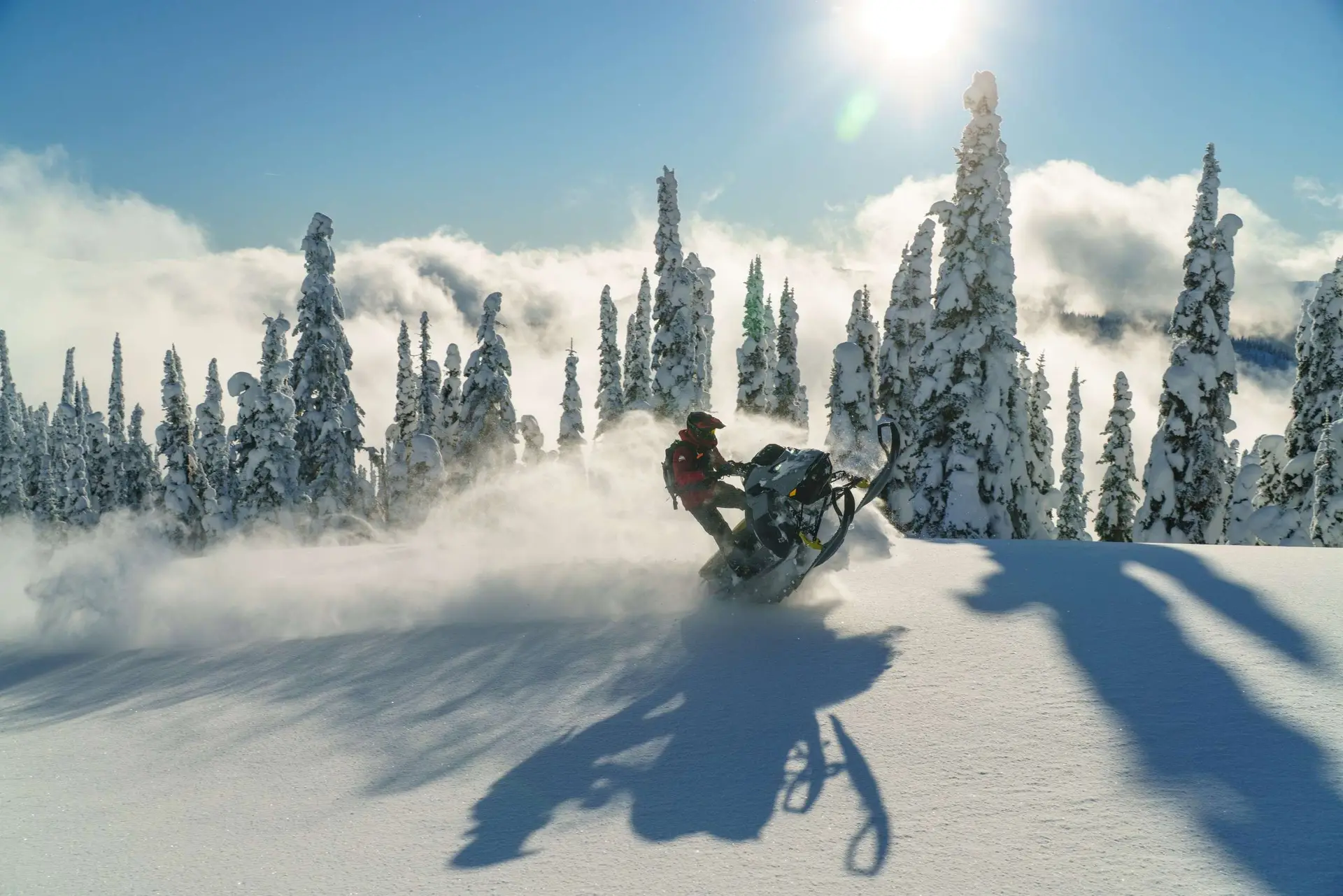
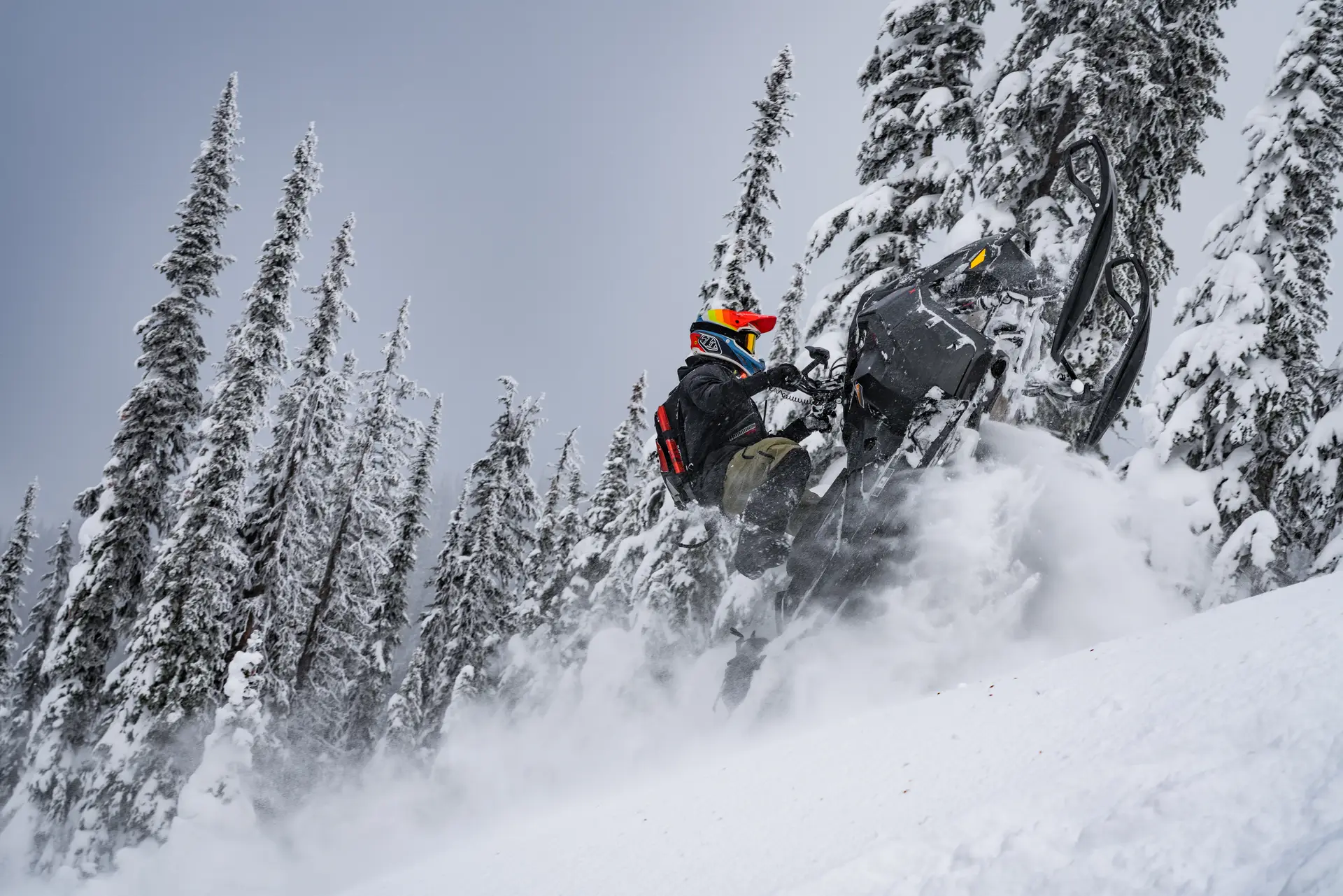
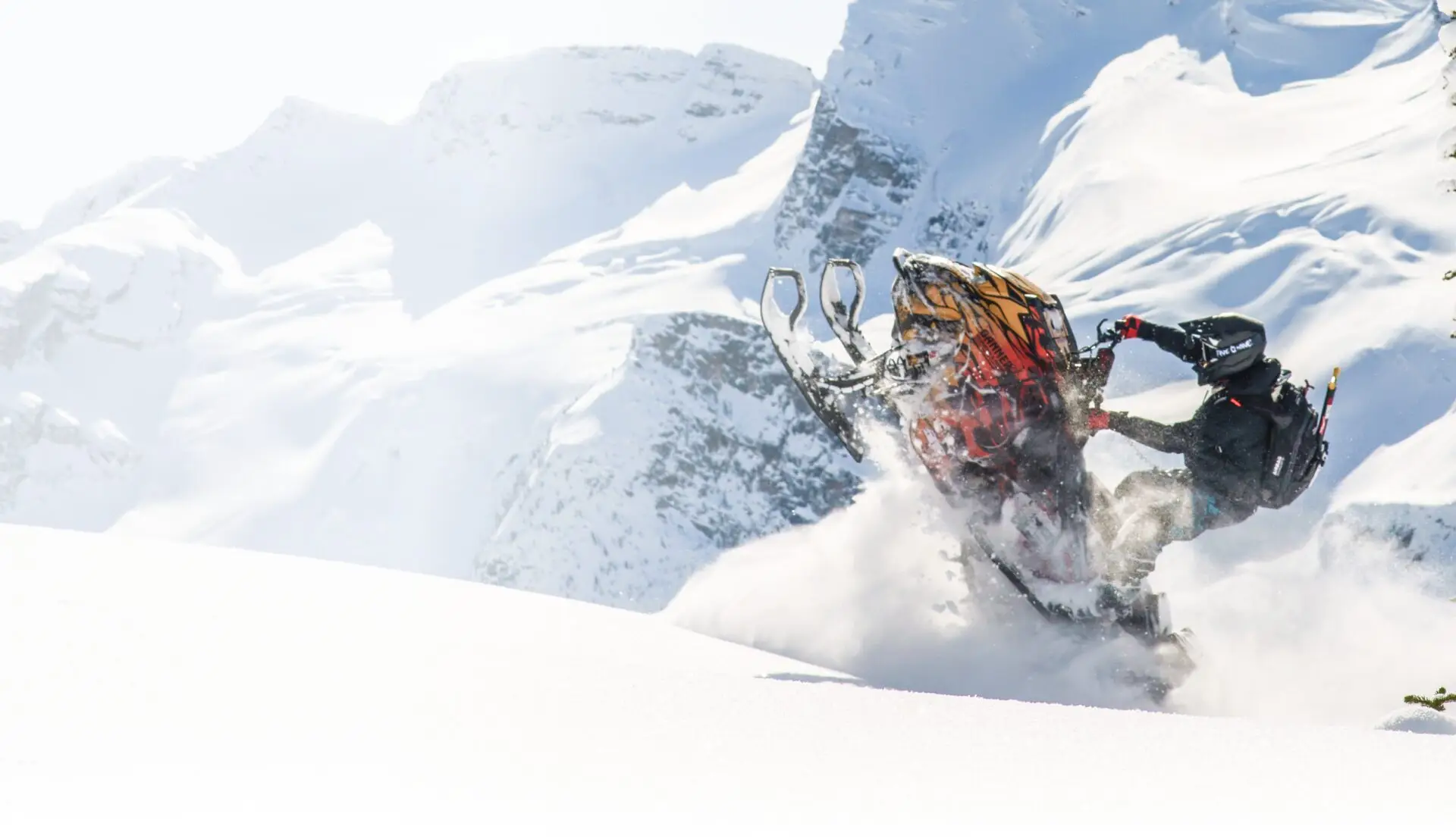
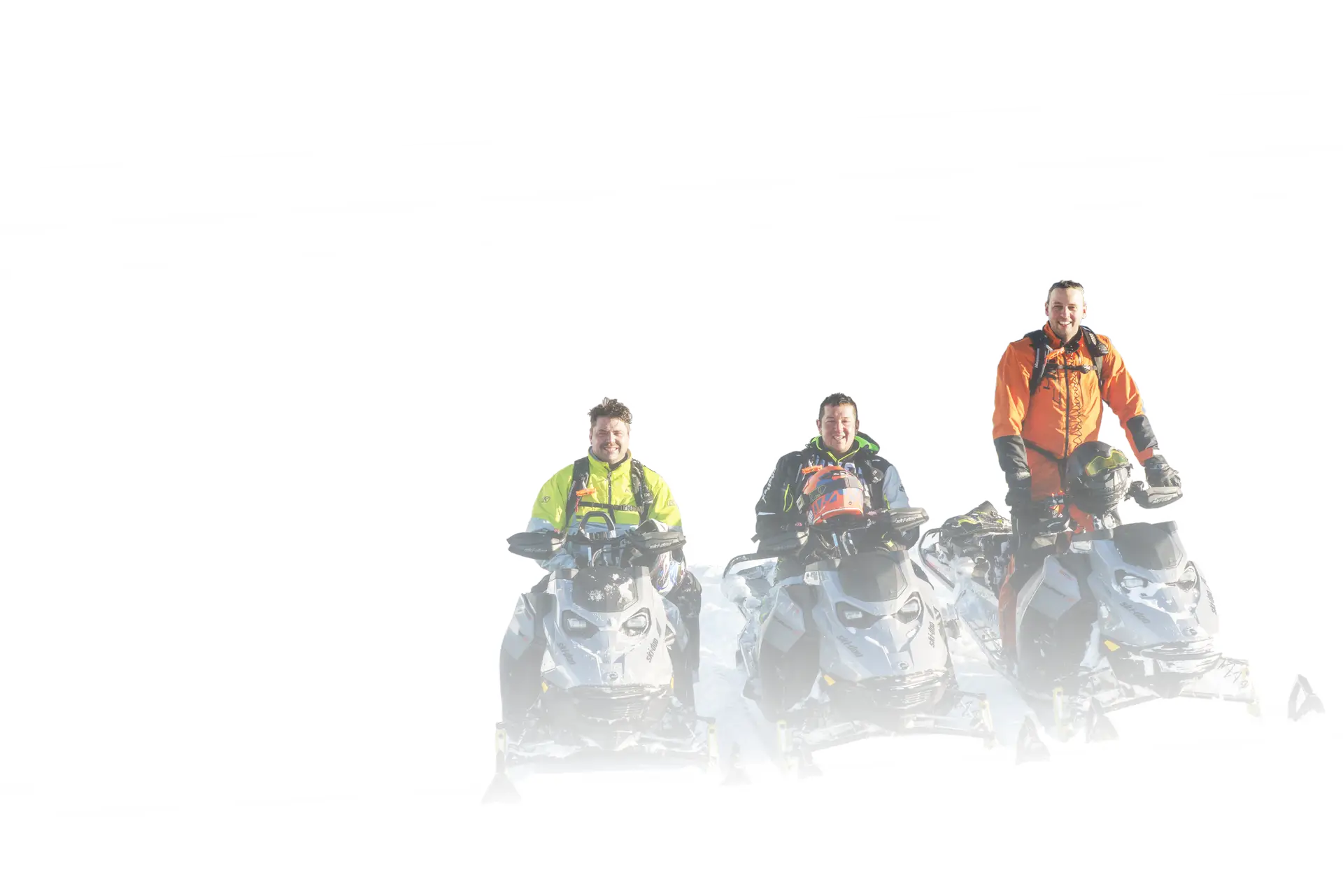
Go deeper into the backcountry and discover hidden pockets of untracked powder with one of our CMBGA certified guides.
For pricing, please refer to our FAQs on ‘Riding Here’.